

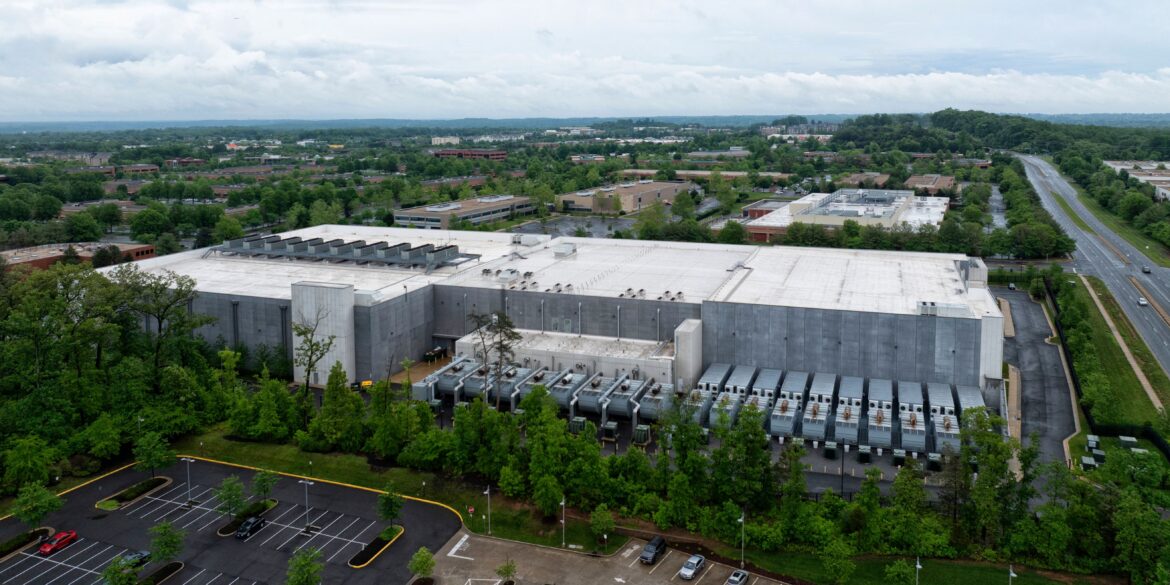
Electric utilities are entering a new era of load growth—one defined not by gradual, predictable increases, but by large load requests that arrive quickly and require coordination. Data centers, manufacturing, electrification and AI-driven infrastructure are reshaping electricity demand. These projects also explore co-location with on-site generation and energy storage to accelerate timelines, control costs or mitigate grid constraints.
For many utilities, the challenge is no longer whether large load requests will arrive, but how to organize the complex requests transparently, defensibly and with scale—while keeping ratepayer costs affordable and the grid reliable.
From Flat Demand to Concentrated Growth
After more than a decade of flat electricity demand, utilities are now facing a resurgence of load growth driven by large, highly concentrated projects rather than incremental system-wide increases. Data centers are a leading driver; EPRI1 estimates they represented about 4% of U.S. electricity demand in 2023, with growth accelerating toward 5–11% by 2030.
The result is a fundamentally different planning challenge. These projects are moving faster; construction timelines may span one to two years, while transmission upgrades and substation creation often take far longer. Interim and permanent co-location of generation and storage introduce further dependencies between load delivery and system planning.
Utilities must make high-stakes decisions earlier than ever, often under uncertainty. These decisions carry downstream implications for how infrastructure is built, how risks are managed, and how costs are allocated—all while ensuring ratepayers are protected. This dynamic sets the stage for why large load requests are not just bigger, but inherently harder to manage.
Why Large Load Requests Are Harder to Manage
Large load interconnections introduce challenges that manifest in various ways:
- Many stakeholders, many handoffs
Large loads frequently touch economic development, account management, planning, engineering, legal, finance, construction, and external hyperscalers and customers—often simultaneously. Without a centralized system, ownership becomes unclear, and decisions are hard to justify after the fact. - Multiple studies, staged decisions
Feasibility, system impact, facilities, and design studies occur over months or years. Each decision may depend on earlier assumptions that evolve over time, making traceability critical. - Flexible, phased, or ramp-up demand
Utilities and hyperscalers may agree to onboarding strategies such as temporary flexible connections, phased-in service, or ramp-up service. These strategies can include evolving plans for on-site generation or energy storage, adding complexity to how capacity commitments and milestones are tracked in parallel timelines.
From Spreadsheets to Structured Workflows
Historically, many utilities have relied on spreadsheets, emails and shared files to manage requests. While workable at small volumes, these tools struggle under today’s scale. It’s difficult to answer basic questions such as:
- Who approved this decision, and why?
- What conditions were tied to this milestone?
- Which projects are waiting for what stakeholder action?
- How much capacity has actually been allocated versus requested?
As regulatory scrutiny increases and customer expectations rise, audit-ready visibility is no longer optional. Decisions about prioritization, timing and cost responsibility must be defensible months or years later.
Key Capabilities Utilities Now Need
Utilities must adopt optimized, workflow-driven approaches to large load management that go beyond what conventional CRM tools and legacy systems support. Successful approaches share a few common traits:
- Milestone-based tracking
Clear stages—from intake through studies, agreements, construction and energization—make progress visible across teams, leading to shortened decision timelines and reduced internal friction. - Transparent load ramping
Breaking a single request into multiple phases allows utilities to allocate capacity responsibly, especially when grid deliveries are coordinated with deployment of co-located resources. - Consistent reporting and justification
Centralized reporting creates an easy view for power requested, approved, deferred or denied, along with the rationale behind each outcome. - Scalable, adaptive queue management
A well-controlled queue supports standardized project processing while enabling improvements, helping utilities adapt as policies and practices evolve.
Preparing for What Comes Next
Large load growth is not a passing trend. Success depends on having clear workflows, shared visibility and defensible decision making—before complexity overwhelms legacy tools and processes.
PowerClerk® supports this shift by providing a configurable, workflow-driven platform. Utilities use PowerClerk to maintain audit ready reporting, track milestones and phased load ramps, and manage clustering, prioritization and evolving project assumptions all in one place.
Rethinking How Your Utility Orchestrates Large Load Requests?
Whether you’re evaluating new approaches or ready to modernize your process, there are several ways to continue the conversation:
- Schedule a PowerClerk demo to see how utilities are managing large load workflows with transparency, structure and scale
- Attending DTECH Data Centers & AI? Join us in Scottsdale, AZ, with SRP at 9:45am on May 13th in the North Ballroom for a practical discussion on managing large load requests
- Watch our on-demand webinar: Streamlining Large Load Requests for Data Centers & Beyond
1 Electric Power Research Institute (EPRI). Powering Data Centers: U.S. Energy System and Emissions Impacts of Growing Loads. October 2024.